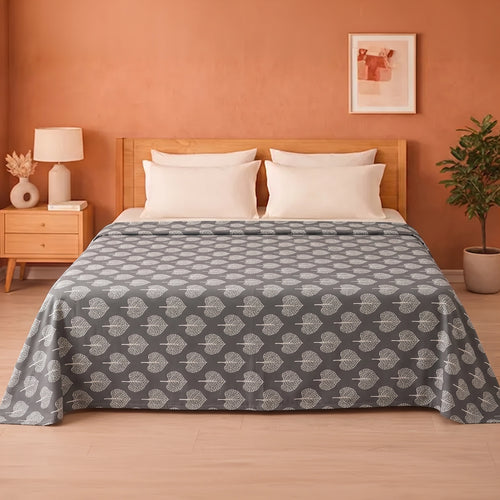
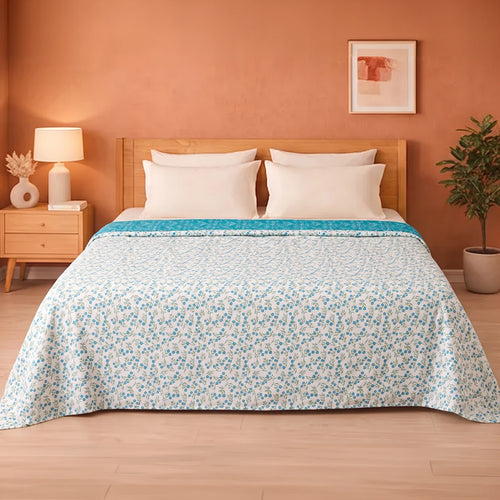
A comfortable night's sleep often depends on choosing bedding that suits the weather. A dohar is a lightweight, layered blanket that provides gentle warmth without the heaviness of a thick quilt or comforter. It is a practical choice for summer nights, air-conditioned rooms and mildly cold weather, making it useful throughout the year.
However, choosing the right dohar involves more than selecting an attractive print. Fabric, layers, filling, size and sleeping preferences all influence comfort. Understanding these factors can help you find the best dohar for changing weather and enjoy comfortable sleep across different seasons.

How to Choose a Dohar for Changing Weather
When choosing a dohar, consider the temperature of your room, the fabric you prefer and how much warmth you need while sleeping. A lightweight cotton option may be suitable for warm nights, while a slightly fuller design can provide additional comfort in an air-conditioned room or during mild winters.
Pay attention to the fabric composition and construction rather than relying on appearance alone. The outer material affects softness and breathability, while the middle filling and number of layers influence the overall weight and warmth.
Here are the important factors to consider when selecting a dohar.
Which Dohar Fabric Is Best for Different Seasons?
Dohars are available in different fabrics and finishes, each offering a distinct feel and appearance. Cotton is a popular choice for everyday use because of its soft, breathable nature, while cotton voile offers a lighter, finer texture. Satin-stripe and printed cotton options provide different finishes to suit individual preferences.
Understanding these differences will help you choose a fabric that matches your sleeping comfort and seasonal requirements.
Cotton Dohar for Everyday Comfort
A cotton dohar is a practical choice for everyday bedding because cotton is naturally breathable, soft and comfortable against the skin. Its ability to allow airflow makes it suitable for warmer nights and air-conditioned rooms when you need a light covering without excessive warmth.
Cotton dohars are also available in different prints, colours and reversible designs, making them easy to coordinate with your bedroom décor. They are generally convenient to maintain, although washing requirements depend on the fabric, filling and product construction.
If you are looking for a versatile bedding option, explore printed cotton dohars for everyday use in different colours and patterns.

Mulmul Dohar for Warm and Humid Weather
Mulmul is a finely woven cotton fabric known for its lightweight and soft texture. Its airy construction makes it a comfortable fabric choice for people who prefer lighter bedding during warm and humid weather.
A mulmul dohar can be suitable for summer use when its construction and filling are equally lightweight. However, not every lightweight-looking dohar is made from mulmul. Always check the product description to confirm the actual fabric composition.
If you prefer bedding that feels light against the skin, consider the fabric weave, number of layers and filling before choosing a lightweight dohar for summer.
Other Dohar Fabrics and Finishes
Apart from regular cotton and mulmul, different cotton fabrics and finishes offer additional choices for bedroom comfort and styling.
- Cotton voile dohars: Cotton voile has a fine, lightweight texture and works well for people who prefer softer, lighter-looking bedding. Its overall warmth also depends on the filling used between the layers.
- Satin-stripe cotton dohars: These feature woven stripe detailing and a subtle sheen, creating a smooth and elegant appearance. They are a good option for minimal and coordinated bedroom interiors.
- Printed cotton dohars: Available in floral, geometric and nature-inspired patterns, printed options add colour and character to your bedding while offering everyday functionality.
- Hand-block printed dohars: These feature traditional printing techniques and distinctive patterns. Some designs use cotton voile outer layers with a soft flannel filling, making them a slightly fuller option.
Choose a finish that suits both your comfort requirements and bedroom style. Always check the product specifications because fabric and filling combinations can differ between designs.

How to Choose the Best Dohar for Summer, Monsoon and Mild Winter
The best dohar for each season depends on the temperature, humidity and your personal sleeping preferences. A lightweight option may be sufficient during summer, while a slightly thicker design can feel more comfortable in an air-conditioned room or during cooler months.
Instead of choosing a separate heavy blanket for every weather change, look for a dohar that provides the right balance of breathability and warmth.
Best Lightweight Dohar for Summer
During summer, choose a lightweight cotton dohar that allows comfortable airflow and does not feel heavy while sleeping. Cotton and other lightweight woven fabrics are suitable options for warm nights, particularly when you prefer a light covering.
If you sleep under a ceiling fan or air conditioner, a breathable dohar can provide a comfortable layer without the bulk of a thick blanket.
Look for:
- Lightweight cotton outer layers.
- Soft and breathable fabric.
- Comfortable filling that does not add excessive weight.
- Easy-to-maintain construction.
A lightweight cotton dohar for summer is a useful choice for everyday sleeping, especially when you prefer minimal bedding.

Breathable Dohar for Monsoon Weather
Monsoon weather often brings increased humidity, making breathable and easy-to-maintain bedding particularly useful. Choose a cotton dohar that feels comfortable against the skin and is convenient to wash and dry.
During rainy weather, proper drying is just as important as fabric selection. Avoid folding or storing a dohar while it is damp, as trapped moisture can lead to unpleasant odours and fabric-related problems.
Follow these simple care practices:
- Wash your dohar according to its care label.
- Avoid leaving washed bedding in a damp laundry area for extended periods.
- Allow it to dry completely before folding.
- Store it in a clean, dry and well-ventilated space.
A breathable cotton dohar for monsoon weather can help keep your bedding comfortable while making everyday maintenance easier.
Slightly Warmer Dohar for Mild Winter Nights
During mild winters, you may prefer a dohar with a slightly fuller construction and a comfortable middle filling. The additional layer can provide more coverage than a very lightweight summer option without feeling as heavy as a thick winter quilt.
Hand-block printed dohars with cotton voile outer layers and soft flannel filling are one option to consider if you prefer a slightly warmer feel.
Your choice should also depend on the temperature of your bedroom. If the nights become colder, you can combine your dohar with an additional blanket for extra warmth.
For a dohar for mild winter nights, check the filling material, overall thickness and construction before making a purchase.
How to Layer a Dohar with a Blanket or Quilt During Colder Weather
A dohar can also be used as part of a layered bedding arrangement when the weather becomes colder. Instead of immediately switching to a heavy comforter, combine your existing dohar with a blanket or quilt according to the temperature.
For slightly cool nights, a cotton dohar may provide sufficient coverage on its own. In an air-conditioned room, you can use it over your bedsheet for an additional layer of comfort.
When temperatures drop further, place a lightweight blanket over your dohar to increase warmth. For colder nights, a quilt or comforter can serve as the outer layer.
Keep these points in mind when layering:
- For air-conditioned rooms: Use a lightweight cotton dohar over your bedsheet.
- For slightly chilly nights: Pair your dohar with a thin blanket.
- For colder weather: Add a quilt or comforter when you need more insulation.
Choose layers that feel comfortable without restricting movement or making you feel excessively warm.
If you are unsure whether a dohar or quilt would suit your sleeping preferences, read our guide on Dohar vs. Quilt: All You Need to Know to understand their differences in construction, warmth and everyday use.
What to Check Before Buying a Dohar
Apart from fabric and seasonal suitability, the construction of a dohar plays an important role in its comfort and durability. Before purchasing, check the number of layers, type of filling, stitching quality and finishing.
These details help you understand how the dohar is made and whether it suits your everyday sleeping requirements.
Number of Layers and Filling
Most traditional dohars feature multiple lightweight layers with a soft filling in between. This layered construction provides gentle warmth while keeping the bedding relatively lightweight.
However, the number of layers and filling material can vary between products. Some designs use cotton filling, while others may feature flannel or another material.
When comparing options, consider:
- Outer fabric: Check whether it is cotton, cotton voile or another material.
- Middle filling: Understand whether the filling is cotton, flannel or another fibre.
- Overall thickness: Choose according to the amount of warmth you prefer.
- Weight: A lighter construction may be more suitable for summer and AC use.
A dohar's warmth depends on the combination of its outer fabric, filling and construction rather than the number of layers alone.
Stitching and Overall Construction
Good stitching helps maintain the shape of a dohar and keeps its layers properly aligned during regular use. Before buying, check whether the stitching appears even and the edges are neatly finished.
The filling should also be distributed consistently across the surface so that some areas do not feel noticeably thicker or thinner than others.
You can also look for these useful features:
- Reversible construction: Allows you to use either side, offering more styling flexibility.
- Neatly finished edges: Help give the dohar a clean and well-finished appearance.
- Even stitching: Helps keep the filling in place.
- Clear wash-care instructions: Make it easier to maintain the fabric, colours and overall construction.
A well-constructed dohar is generally easier to use and maintain as part of your regular bedding.
How to Choose the Right Dohar Size for Your Bed
Choosing the correct dohar size is important for comfortable coverage while sleeping. A dohar that is too small may not cover the bed properly, while an oversized option may feel unnecessarily bulky or require additional space for storage.
Before purchasing, consider your mattress dimensions, bed size and how much fabric you prefer hanging over the sides.
The following table provides a general size reference based on HomeMonde's dohar size guide.
|
Bed size |
Suggested dohar size |
Approximate dimensions |
|
Single |
Single |
150 × 220 cm |
|
Double |
Double |
220 × 240 cm |
|
Queen |
Double |
220 × 240 cm |
|
King |
Double |
220 × 240 cm |
These are approximate reference dimensions, not universal mattress-size standards. Actual coverage depends on your mattress measurements and preferred drape. Product availability and dimensions can vary by design.
Before ordering, remember to:
- Measure your mattress length and width.
- Consider the mattress height when deciding how much side coverage you need.
- Check the exact dimensions mentioned on the product page.
- Choose a larger size if you prefer additional coverage, provided the product is available in that size.
For a comfortable fit, always compare the actual dohar measurements with your bed dimensions instead of relying only on labels such as single, double, queen or king.
Explore HomeMonde Dohars for Everyday and Seasonal Comfort
Finding the right balance between comfort and style becomes easier when you have different fabric finishes and designs to choose from. HomeMonde's cotton dohar collection features options for everyday bedding, air-conditioned rooms and seasonal use.
Explore different styles from the collection:
- Printed cotton dohars: Explore floral, geometric and nature-inspired designs such as Imprimer Sage printed cotton dohar, featuring a reversible woodland floral print in aqua green and white.
- Hand-block printed dohars: Discover traditional textile-inspired designs such as the Citrine Soul hand-block printed dohar, featuring a cotton construction and an attractive handcrafted look.
- Satin-stripe dohars: Choose elegant, minimal designs such as the Breton Doze satin-stripe reversible dohar, available through the HomeMonde dohar collection.
Whether you prefer colourful prints or understated textures, choosing the right dohar can make your bedroom feel more comfortable and visually inviting.
Explore the complete HomeMonde dohar blanket collection to find a design that complements your bedding and suits your seasonal comfort needs.

Conclusion: Choose a Dohar That Suits Your Sleeping Comfort
Choosing the right dohar involves considering more than just its appearance. Fabric, filling, layers, size and room temperature all influence how comfortable it feels during different seasons. A lightweight cotton option may work well for summer and air-conditioned rooms, while a slightly fuller design can provide additional comfort during mild winters.
Explore HomeMonde's collection of cotton dohars to find a combination of everyday comfort, practical construction and designs that complement your bedroom.