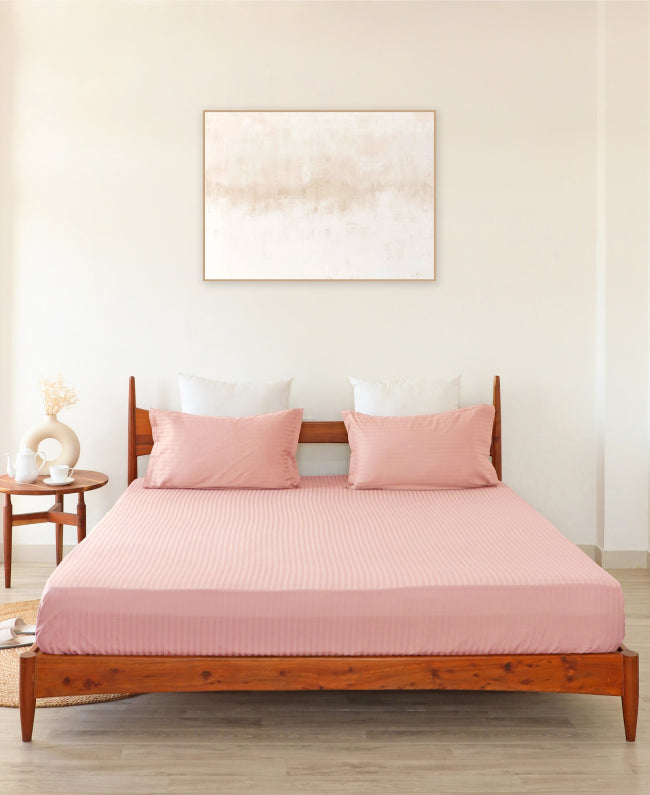
When exploring bedding options, many people ask: what is duvet cover and how is it different from a comforter? The terms are often used interchangeably, but they refer to different components of a bedding setup. Understanding the duvet cover's meaning helps you make better decisions about comfort, hygiene, and long-term maintenance.
A duvet cover is not the filling itself. Instead, it acts as a protective and decorative outer layer for a duvet insert. This article explains clearly what a duvet cover is, how it differs from a comforter, the purpose of a duvet cover, materials used, ideal thread count, and how to choose and care for one properly.

What Is a Duvet Cover?
If you’re wondering what a duvet cover, it is essentially a removable fabric casing designed to enclose a duvet insert. Think of it like a pillowcase, but for your comforter-like insert.
The duvet cover's meaning is straightforward: it protects the inner filling (the duvet insert) from dirt, stains, and everyday wear. Most duvet covers include:
- An opening with buttons, zippers, or ties
- Interior corner ties to secure the insert
- A full fabric shell made from cotton, linen, microfiber, or blends
Instead of washing a bulky duvet insert frequently, you remove and wash the cover. This makes bedding maintenance simpler and more practical.
Understanding what a duvet cover is helps clarify that it is both a protective layer and a design element for your bed.

How a Duvet Cover Is Different from a Comforter
A common confusion when asking what a duvet cover is how it compares to a comforter. While both are used for warmth, they function differently.
A comforter is a single, pre-filled bedding piece stitched together. A duvet insert is the filling, while the duvet cover is the removable outer layer.
Here is a simple comparison:
|
Feature |
Duvet + Duvet Cover |
Comforter |
|
Structure |
Two separate pieces (insert + cover) |
One stitched piece |
|
Washability |
Wash covers separately |
Wash entire comforter |
|
Customization |
Change covers for style |
Limited design change |
|
Maintenance |
Easier and more practical |
Bulkier to clean |
The key difference is flexibility. A duvet cover allows you to change the appearance of your bedding without replacing the entire insert.
Curtain Measurement Terms You Should Know
Understanding basic terms makes how to measure curtain size much easier.
Key terms include:
- Curtain width: Total horizontal coverage of the curtains
- Curtain length (drop): Vertical measurement from rod to hem
- Fullness: Extra fabric added for pleats or gathers
- Rod placement: Position of the rod above and beyond the window frame
Knowing these terms helps you communicate measurements accurately and choose the right curtain style.
Purpose of Using a Duvet Cover
The primary purpose of a duvet cover is protection. It shields the duvet insert from:
- Sweat and body oils
- Dust and allergens
- Spills and stains
- Daily friction and wear
Beyond protection, the purpose of a duvet cover also includes hygiene. Since covers are easy to remove, they can be washed weekly or bi-weekly, maintaining a cleaner sleeping environment.
Another benefit is aesthetic flexibility. You can switch covers seasonally or whenever you want a new bedroom look. This is more cost-effective than replacing an entire comforter.
Additionally, duvet covers make cleaning easier. Instead of laundering a heavy insert frequently, you only wash the outer layer. This reduces strain on washing machines and prolongs the life of the duvet insert.
Material for a Duvet Cover
Cotton Duvet Covers
Cotton is the most common material for a duvet cover. It is breathable, soft, and suitable for year-round use.
Benefits include:
- Natural airflow
- Moisture absorption
- Comfortable texture
- Easy maintenance
Cotton duvet covers are available in different weaves such as percale (crisp and cool) and sateen (smooth and slightly silky). For most households, cotton offers the best balance of durability and comfort.
If you’re evaluating what a duvet cover is used for in daily life, cotton is often the safest and most practical choice.
Linen Duvet Covers
Linen is made from flax fibers and is known for durability and breathability. It has a slightly textured feel compared to cotton.
Key advantages:
- Excellent temperature regulation
- Strong and long-lasting fibers
- Softens over time with washing
- Ideal for warm climates
Linen may wrinkle more easily, but many people appreciate its relaxed appearance. It is especially suitable for those who prioritize airflow and natural materials.
Microfiber & Blended Fabrics
Microfiber and blended fabrics are synthetic or semi-synthetic options. They are generally more affordable and easier to maintain.
Common features:
- Lightweight
- Wrinkle-resistant
- Quick drying
- Budget-friendly
However, microfiber may not be as breathable as natural fabrics. It works well in cooler environments but may feel warm in hot climates.
When considering material for a duvet cover, balance comfort, climate, and maintenance preferences.
What Is a Good Thread Count for Duvet Cover?
Ideal Thread Count Explained
For most cotton duvet covers, a thread count between 200 and 400 is considered ideal.
- 200–300: Crisp, breathable, durable
- 300–400: Softer feel with balanced airflow
Thread count refers to the number of threads woven into one square inch of fabric. Within the 200–400 range, cotton duvet covers provide durability without sacrificing breathability.
Higher numbers do not automatically mean better quality. Fiber quality and weave type also matter significantly.
If your goal is comfort and longevity, staying within this range is typically recommended.
Higher Thread Count vs Breathability
There is a misconception that higher thread count always equals superior quality. In reality:
- Extremely high thread counts (600+) can reduce airflow
- Multi-ply yarns may inflate thread count artificially
- Breathability may decrease as density increases
For hot sleepers or warm climates, excessively high thread count can trap heat.
Therefore, when deciding what is a good thread count for duvet cover, focus on fiber quality and weave rather than just the number.
How to Choose the Right Duvet Cover
Choosing Based on Climate & Comfort
Climate plays a major role in selecting fabric.
For warm or humid environments:
- Lightweight cotton percale
- Linen for enhanced breathability
For cooler climates:
- Cotton sateen
- Microfiber for added warmth
Comfort also depends on texture preference. Some prefer crisp fabric, while others prefer smoother finishes. Understanding what a duvet cover is used for in your specific environment helps narrow your choice.
Choosing Based on Size & Closure Type
Size accuracy is critical. The duvet cover should match the dimensions of your duvet insert precisely. Oversized covers may cause shifting, while undersized covers compress the insert.
Common closure types include:
- Buttons – traditional and breathable
- Zippers – secure and discreet
- Envelope closures – simple design
Interior corner ties are important. They prevent the insert from bunching inside the cover.
Carefully checking dimensions and closure quality ensures better long-term usability.
How to Wash & Care for a Duvet Cover
Washing & Drying Instructions
Washing frequency depends on usage, but typically every 1–2 weeks is recommended.
General guidelines:
- Wash cotton and microfiber in warm water
- Wash linen in cold or lukewarm water
- Use mild detergent
- Avoid bleach unless fabric allows
- Tumble dry on low heat
For cotton duvet covers, medium heat drying is acceptable, but over-drying can weaken fibers. Linen should be removed slightly damp to reduce wrinkling.
Always check manufacturer labels for specific instructions.
Storage & Longevity Tips
To maintain durability:
- Store in a cool, dry place
- Avoid plastic storage bags (they trap moisture)
- Fold neatly to reduce deep creases
- Rotate between multiple covers
Using gentle washing cycles and avoiding harsh chemicals preserves color and fiber strength.
Understanding what a duvet covers and how to maintain it ensures long-term comfort and cost efficiency.
Conclusion
Understanding what a duvet cover helps clarify its role in modern bedding. It serves as a removable protective layer for a duvet insert, improving hygiene, simplifying maintenance, and offering style flexibility. Choosing the right material for a duvet cover, selecting an appropriate thread count, and following proper care practices ensure durability and comfort. By considering climate, size, and fabric quality, you can select a duvet cover that meets both practical and aesthetic needs.